Fretboard
A circle lights up on the neck — you name the note. Learn the fretboard key by key with the roots marked for you, or take on the full chromatic neck, while the game tracks how fast the answers come.
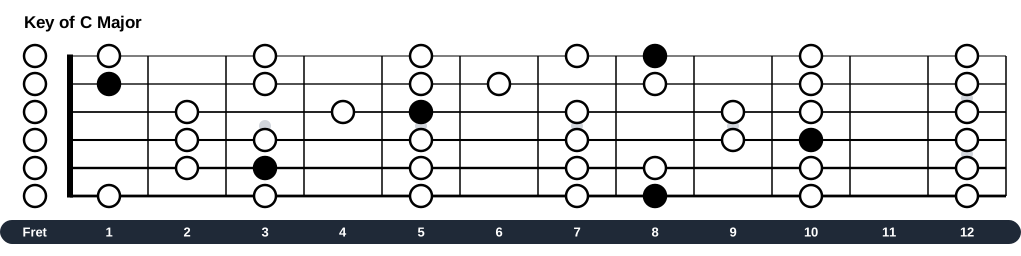
Every C major note on the neck. The solid circles are the roots, already labeled — you name the rest.
Start on the two thickest strings — every power chord and barre chord is rooted here, so these letters pay off immediately.
Keyboard: A–G to answer (hold Shift for sharps on the full neck), Enter continues after a miss. Each correct answer plays the note. Scores are saved on this device only.
How this trains you
- The circles are where the key's notes live — so while you drill names, your eyes are also memorizing the shape of the scale across the whole neck.
- The solid circles are the roots, already labeled. They're your landmarks: find the root, and every other note sits a countable distance from it.
- Every correct answer plays the real pitch of that string and fret, so the name, the place, and the sound get welded together.
- Miss a circle and it quietly comes back a few prompts later — you don't leave a round without fixing the ones you got wrong.
- Accuracy is the start, not the goal. Watch your pace: when you can name any circle in under about two seconds, the note is truly yours.
The route most teachers use
Start with the low E and A strings — not because they're easiest, but because they pay off first: every power chord and barre chord you'll ever play is rooted on one of them. Know those two strings and you can find any chord on the neck tonight.
Then add the D and G strings, and finally the B and high E. The B string is the famous troublemaker — it's tuned a third up instead of a fourth, so patterns shift by one fret when they cross it. The game warns you every time it catches you there.
Five minutes a day beats an hour on Sunday. Most students who run a few rounds daily know the whole neck cold in two to four weeks.
Brand new and not sure which string is which? Start with the string names lesson →
Printable fretboard charts
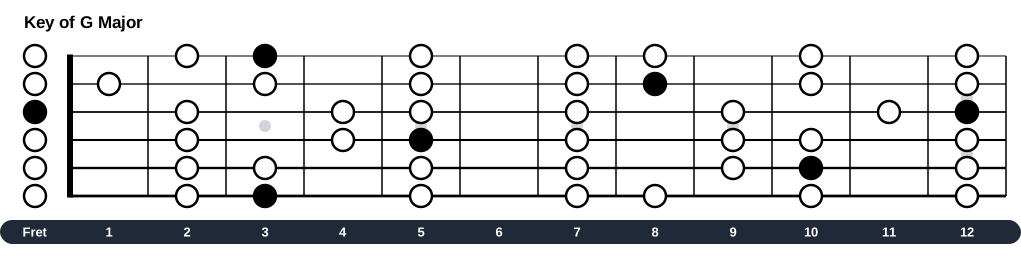
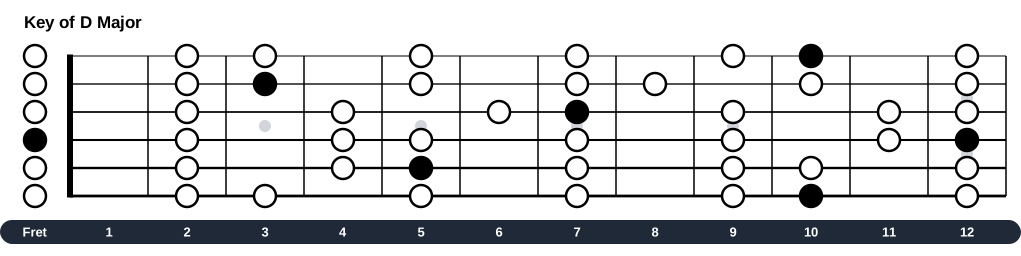
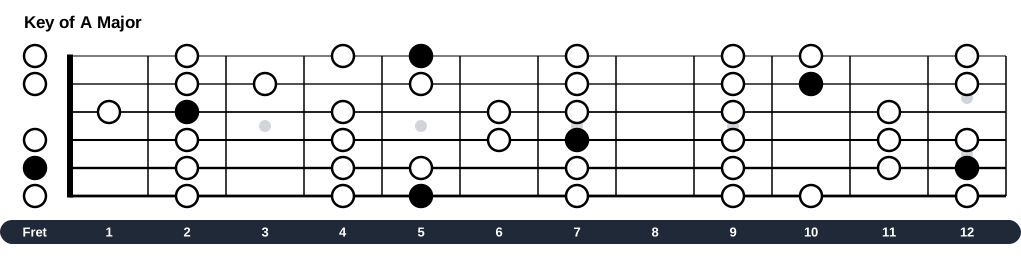
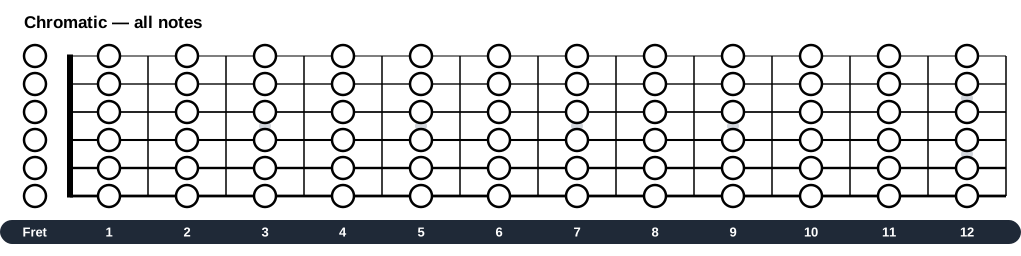
The exact charts the game is built on — black-on-white and print-ready, one per key plus the full chromatic neck. The circles are intentionally blank: print one, grab a pencil, and fill in the letters away from the screen. That's a workout, not a cheat sheet.
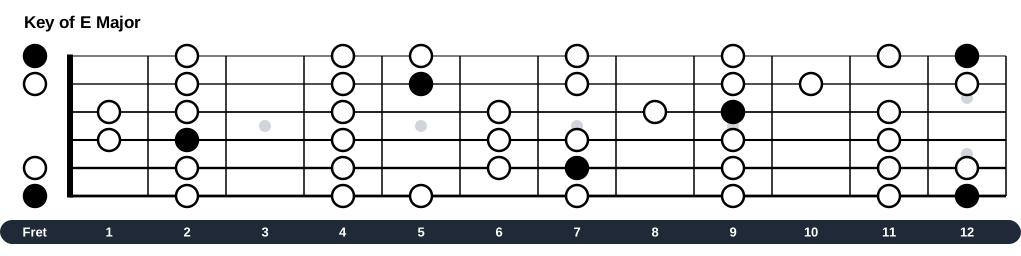
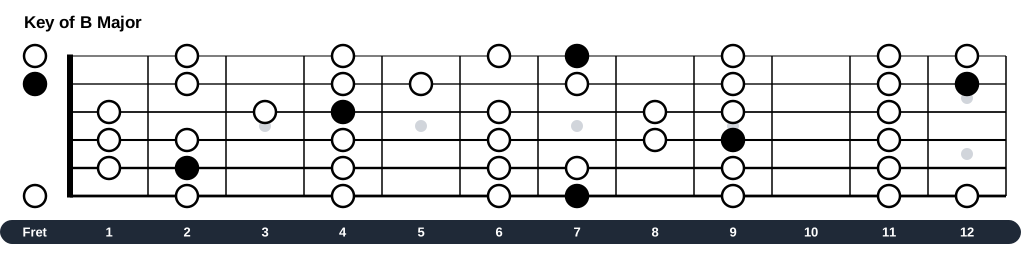
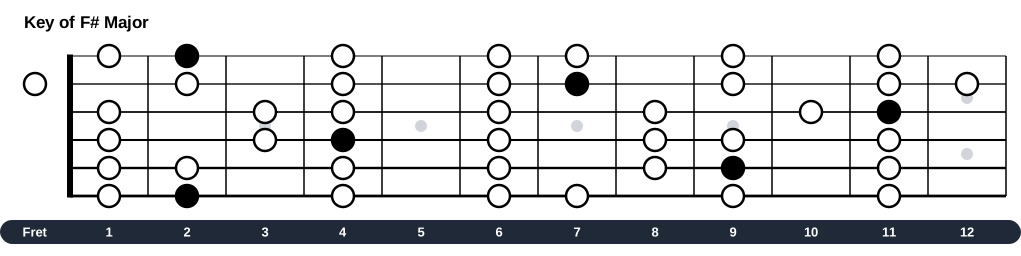
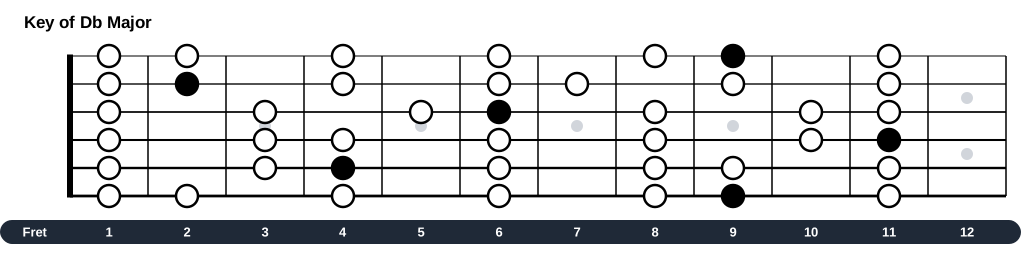
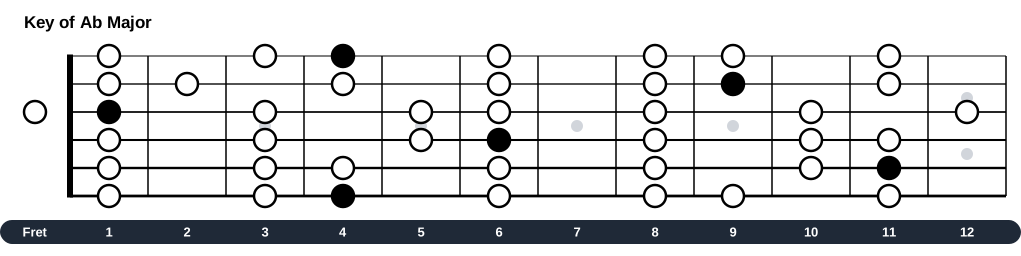
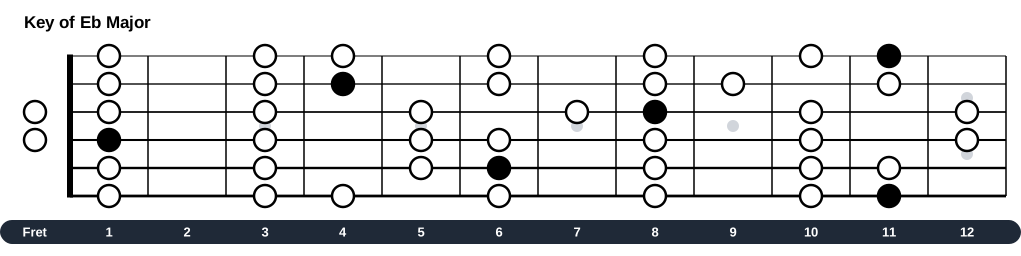
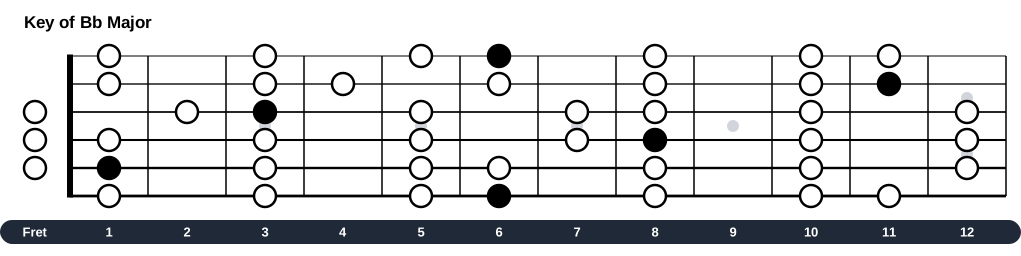
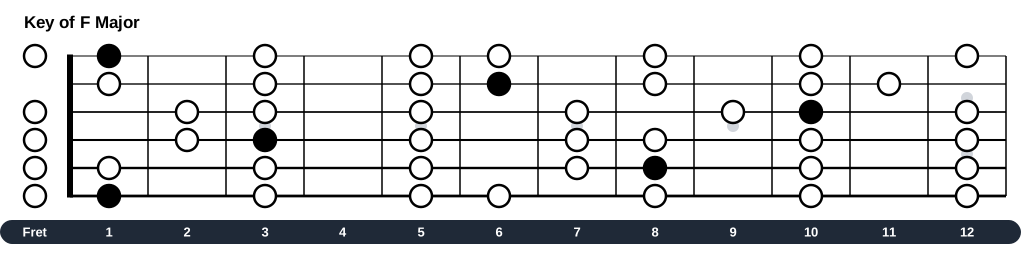
Wondering why each key spells notes the way it does — why the D♭ board says G♭ where the full neck says F♯? The scales & keys tool shows every key's correct sharps and flats →
Once you can find the notes, put chords on them: look up any chord shape in the chord library → or hear how a whole key fits together in the Key of C lesson →